The Many Layers of Ann Arbor Living
Ann Arbor blends Midwestern charm with vibrant, local energy.
Its architecture ranges from Craftsman bungalows in the Old West Side to sleek modern condos downtown and mid-century homes tucked into tree-lined neighborhoods. Each area has its own personality, offering a mix of calm streets and city buzz.
Life here is fueled by culture and creativity, thanks in part to the University of Michigan. You’ll find cozy bookstores, film festivals, art fairs, and a food scene that really is as good as they say. It’s a city built for walking, biking, and savoring the rhythm of smart, laid-back living.
The real estate market here is full of character and always in demand. Whether it’s a classic Burns Park home with a wide front porch or a colorful cottage in the Northside, Ann Arbor offers a lasting kind of appeal. Each area has its own personality, offering the perfect mix for nature lovers, city dwellers, and those drawn to quiet suburban life.
Find Your Corner of Tree Town
Ann Arbor is a city of personality-packed pockets, each with its own rhythm, style, and sense of place. From historic streets near downtown to wooded retreats on the edge of town, here are some standouts to explore:
Downtown & Kerrytown
Campus-Adjacent Classics
Mid-Century Modern Standouts
Tree-Lined Luxe
The Northside
Hidden Gems & Character-Driven Pockets
Westside Favorites
Historic Charm & Walkable Streets
Other Loved Neighborhoods

A Closer Look at Ann Arbor’s Distinctive Home Styles
Ann Arbor’s neighborhoods reflect the city’s blend of academic heritage, natural beauty, and design-forward thinking. From early 20th-century craftsmanship to modernist experiments, the city’s homes are diverse. Whether you’re drawn to historic details or mid-century ease, there's something here for every kind of buyer.
Craftsman Bungalows
Craftsman Bungalows in Old West Side and Water Hill, with wide porches, exposed rafter tails, and beautiful woodwork inside and out.
Colonial Revivals
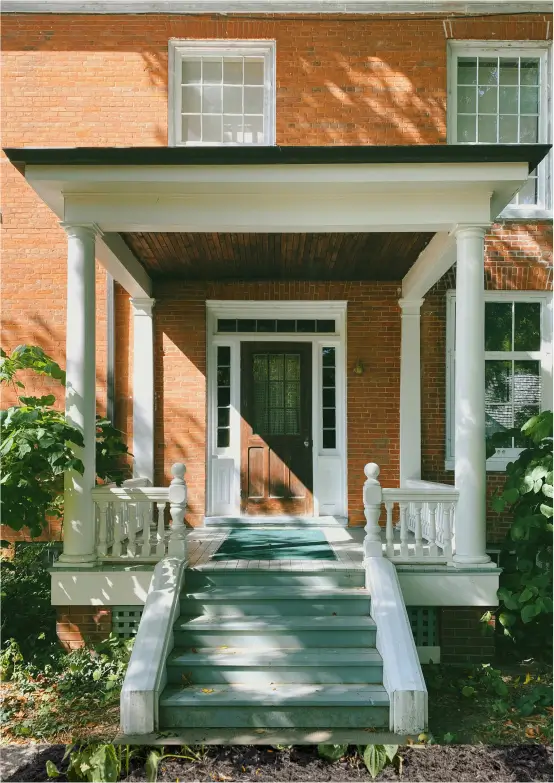
Colonial Revivals throughout Burns Park, North Burns Park, and Georgetown, known for their balanced facades, brick exteriors, and classic floor plans.
Tudor Revivals
Tudor Revivals with steep gables, leaded glass, and fairy-tale curb appeal. You’ll find these homes in neighborhoods like Geddes Heights, Wildwood, and Barton Hills.
Cape Cods
Cape Cods that are compact, charming, and often updated for modern living. Found in neighborhoods like Arborview, Hollywood Park, and Forestbrooke.
Mid-Century Ranches
Mid-Century Ranches offering open layouts, large windows, and low-slung profiles.
Foursquares & Queen Annes
Foursquares and Queen Annes in Kerrytown and Old West Side, with boxy silhouettes, deep porches, and playful Victorian detailing.
Modernist & Contemporary Homes
Modernist and Contemporary Homes with clean lines, bold forms, and thoughtful integration with the natural landscape.
Loft Conversions & Urban Condos
Loft Conversions and Urban Condos perfect for low-maintenance living in the heart of the city. Often found in Downtown Ann Arbor.
Dutch Colonial Revivals
Dutch Colonial Revivals with gambrel roofs and welcoming floor plans, found in pockets of North Burns Park and Water Hill.
Prairie-Inspired Homes
Prairie-Inspired Homes with overhanging eaves and strong horizontals, often hidden in custom builds.
Greek & Italianate Influences
Greek and Italianate Influences in historic Lower Town and Dixboro Village, nodding to Ann Arbor’s earliest architectural moments.
Tri-levels & Split-levels
Tri-levels and Split-levels from the 1960s–70s in places like Dicken and Orchard Hills, efficient, livable, and often surprisingly spacious.
Whether you’re after charm, character, or quiet innovation, Ann Arbor’s architecture tells the story of a city that values both tradition and thoughtful evolution.